IPv4 vs IPv6: Why The Internet is Still Transitioning
Explore the fundamental differences between IPv4 and IPv6, why we ran out of IPv4 addresses, and what the dual-stack future holds for networking.
> Update 2026: We have comprehensively reviewed and verified this guide to reflect the latest best practices in network infrastructure, security protocols, and DNS management.
The exhaustion of IPv4
The foundation of the Internet currently operates on Internet Protocol Version 4 (IPv4). When defined in the early 1980s, the engineers provisioned 32-bit addresses, which computationally yields 4.3 billion unique combinations (like `192.168.1.1`). At the time, computers were massive, expensive mainframes. The idea of every person carrying two smart devices plus having internet-connected refrigerators was science fiction.
In 2011, the Internet Assigned Numbers Authority (IANA) officially handed out its last block of IPv4 addresses. The internet had "run out" of room to grow organically.
Enter Network Address Translation (NAT)
So how did the internet continue to function without crashing? The savior was a technology called Network Address Translation (NAT).
Instead of giving every laptop and smartphone a public IP address, NAT allowed entire offices and households to hide dozens of devices behind a single public IPv4 address operated by a router. The router assigns private, local IPs (usually starting with `192.168.x.x` or `10.x.x.x`) to your internal devices and acts as the delivery operator between your private network and the global internet.
While NAT saved the internet, it broke the original end-to-end communication model of the internet and added immense routing complexity.
The IPv6 Solution
IPv6 was developed to solve this crisis permanently. Utilizing 128-bit formatting, an IPv6 address looks radically different:
`2001:0db8:85a3:0000:0000:8a2e:0370:7334`
The scale of IPv6 is staggering. It provides roughly 340 undecillion addresses. To put that in perspective, we could assign an individual IP address to every single atom on the surface of the Earth, and we still wouldn't come close to running out.
Key Advantages of IPv6
- No More NAT: Every device can theoretically have a public, routable IP address, restoring end-to-end global connectivity and simplifying networking configurations drastically.
- Auto-Configuration: IPv6 supports StateLess Address AutoConfiguration (SLAAC), allowing devices to automatically generate their own IP address when plugged into a network without needing a DHCP server.
- Embedded Security: IPsec is built into the protocol framework of IPv6 natively.
- Optimized Routing: The simplified header structure in IPv6 packets enables faster processing by network routers.
Why is the Transition Taking So Long?
If IPv6 is perfectly superior, why aren't we entirely using it yet?
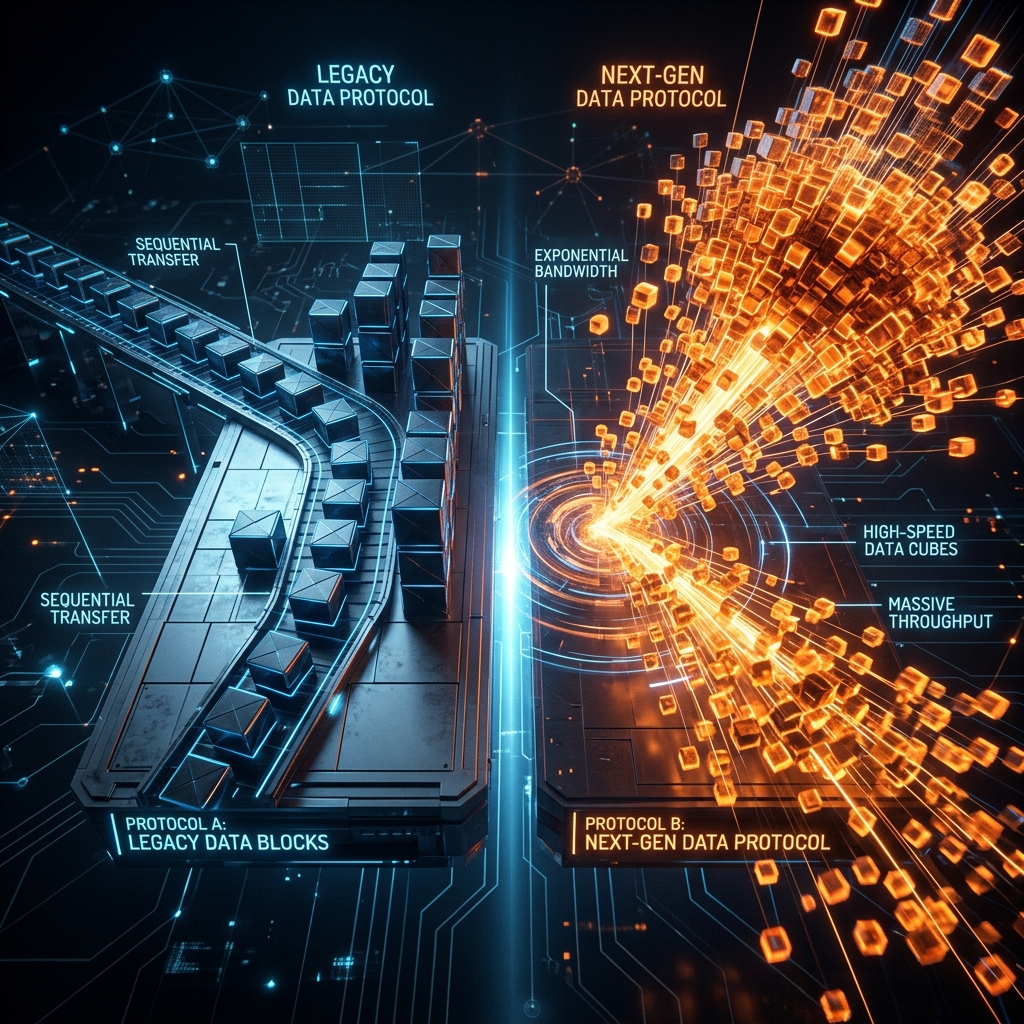
The problem is that IPv4 and IPv6 are not fundamentally compatible. An IPv4 device cannot directly parse an IPv6 packet without intermediary translation gateways.
Because of this, ISPs, CDNs, and hardware manufacturers have adopted a "Dual-Stack" approach. Modern devices natively pull both an IPv4 and IPv6 address simultaneously. When you navigate to a website, your operating system and the server negotiate the best protocol to use (preferring IPv6 if explicitly supported).
Use our IP Address Lookup tool to check if your network currently supports IPv6. If it does not, you are relying completely on legacy NAT to navigate the global internet.